











Trading’s a mind game as much as a money game. I’ve been there—nailing a perfect setup, only to panic-sell at the first dip, or riding a winner too long out of greed, watching it flip to a loss. The charts don’t care how you feel, but your feelings can wreck your trades. Mastering trading psychology isn’t about turning off emotions—it’s about taming them so you stick to your plan and come out ahead. Let’s dig into why your head’s the real battlefield, what trips traders up, and how to build a winning mindset.
Why Psychology Trumps Strategy
A killer strategy’s useless if you can’t execute it. Studies say 80% of trading success is psychology—only 20% is the system. Why? Because humans are wired for fear and greed, not cold logic. The market’s a rollercoaster designed to test you—big wins make you cocky, losses make you doubt. Even the best currency trading strategies fall apart without discipline. Your brain’s your edge—or your enemy.
The Big Emotional Traps
Every trader falls into these at some point. Here’s what to watch:
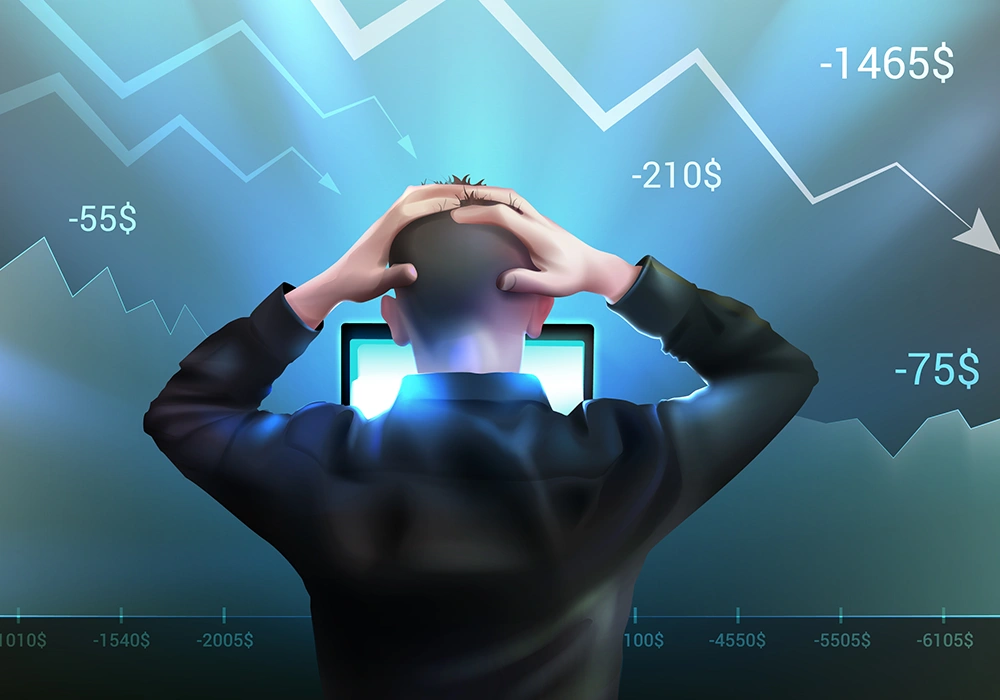
- Fear of Missing Out (FOMO): Price rockets, you chase, buy the top—then it crashes. I’ve done it, jumping into a crypto pump late, losing 10% in an hour.
- Fear of Loss: You hesitate, miss entries, or cut winners early. I’ve bailed on trades at breakeven, only to watch them hit my target.
- Greed: Holding too long for “more,” ignoring your plan. Rode a stock from $50 to $60, didn’t sell—back to $52.
- Revenge Trading: A loss stings, so you double down to “get it back.” I’ve blown a day’s gains this way—dumb move.
These aren’t just feelings—they’re profit killers.
The Brain’s Bad Wiring
Blame evolution. Our ancestors survived by fearing loss (lions!) and chasing reward (food!). Trading flips that—fear keeps you out of good trades, greed keeps you in bad ones. Your amygdala—that fight-or-flight trigger—lights up when prices swing, screaming “do something!” Meanwhile, the prefrontal cortex, your rational side, gets drowned out. Knowing this helps—you’re not weak; you’re human.
Building a Rock-Solid Mindset
Conquering this starts with rules and habits. First, have a plan—entry, stop, target—written down. I sketch mine in a notebook: “Buy at $45, stop $44, target $48.” No plan? You’re guessing. Stick to it like it’s law—emotions hate structure, but it’s your shield.
Second, size your trades right. Risk 1% per trade—say, $100 on a $10,000 account. Too big, and every tick’s a heart attack; too small, and you won’t care. I’ve found 1% keeps me calm but focused.
The Power of Routine
Consistency kills chaos. Start your day the same—coffee, chart scan, news check. I review my watchlist at 8 a.m., no rush. Trade at set times—maybe an hour after the open when volatility settles. End with a journal: what worked, what didn’t. I log every trade—win or loss—it’s my reality check.
Handling Losses Like a Pro
Losses aren’t failure—they’re tuition. Expect them; even the best traders win 60% of the time. When I lose, I step back, check my journal—was it the plan or me? If it’s the plan, tweak it. If it’s me, tighten up. Never double down to “fix” it—that’s ego, not logic.
Winning Without Ego
Wins feel great, but they’re dangerous. After a streak, I’d size up, thinking I’m invincible—then crash. Now, I treat every trade like it’s my first. No gloating, just executing. A $500 win’s cool, but it’s the process, not the payout, that matters.
Tools to Stay Grounded
Charts and indicators help, but psychology needs its own kit:
- Meditation: Five minutes of deep breathing before trading clears the fog. I started this after a losing streak—game-changer.
- Breaks: Step away after a big move—win or loss. I walk my dog; resets my head.
- Visualization: Picture your plan working. I imagine hitting my target—it primes me to act, not react.
Learning to read candlestick patterns can boost confidence in your setup, especially when emotions run high.

A Real Test: The Emotional Rollercoaster
Last year, I traded a stock—bought at $30, targeting $34. It dipped to $29—fear kicked in, “Cut it!” I checked my stop ($28.50), held firm. It climbed to $32—greed whispered, “Wait for $36.” Stuck to $34, sold, banked $400. Plan beat emotion. Try that—next trade, feel the pull, then follow your rules. It’s hard, then it’s habit.
The Long Game: Discipline Over Drama
Trading psychology isn’t about never feeling—it’s about not letting feelings drive. I’ve turned shaky days into wins by breathing, checking my plan, and acting, not freaking out. It’s not sexy—no one brags about skipping a revenge trade—but it’s why I’m still here. Mercati love to mess with you; a strong mind messes back. Build it, and you’ll trade not just to survive, but to thrive.